
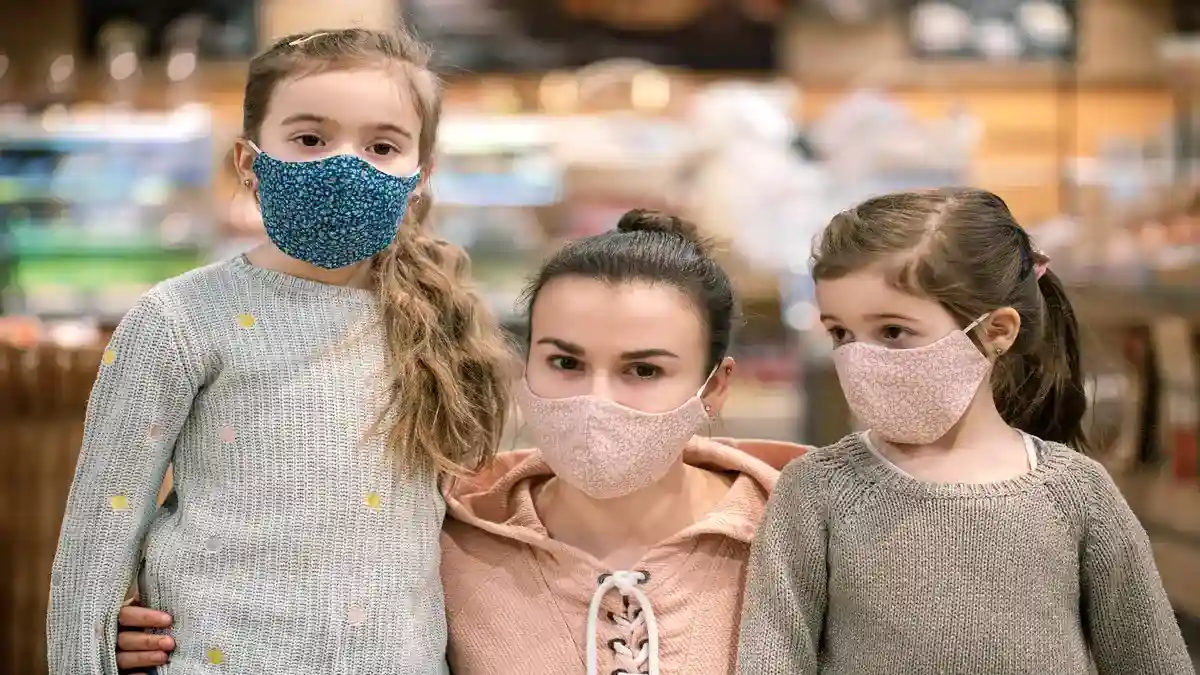
Delhi’s decision to install air purifiers in 10,000 classrooms has come not as a planned reform, but as an emergency response to another season of toxic air that pushed pollution levels into the “severe” and “hazardous” categories. As air quality plunged and schools remained open amid choking smog, the situation triggered angry reactions from parents, health experts, and civil society, with sharp criticism playing out across media platforms.
The move follows mounting public frustration that despite more than a decade of political control at the Centre, Delhi continues to face the same annual pollution emergency, with no permanent or systemic solution in place. Children, among the most vulnerable to air pollution, became the focal point of public concern as reports of breathing difficulties, eye irritation, and rising absenteeism surfaced once again.
Faced with intensifying scrutiny and questions over administrative preparedness, the government announced the installation of air purifiers in classrooms as an immediate mitigation measure to protect students during school hours. While the step acknowledges the severity of the crisis, it also underscores a broader reality: policy responses to Delhi’s air pollution remain largely reactive, introduced after air quality deteriorates, rather than preventive or structural in nature.
But can such knee-jerk measures stop the deeper rot? We discuss it all here and more.
Table of Contents
Why Delhi-NCR’s Air Pollution Reaches “Severe” and “Hazardous” Levels
The recurring episodes of extreme air pollution in Delhi-NCR are the result of multiple, well-documented factors that combine seasonally, structurally, and administratively. Data from government monitoring agencies and scientific studies show that no single source is responsible; rather, it is the cumulative impact of emissions, meteorology, and governance gaps.
Vehicular Emissions – Vehicles remain one of the largest contributors to air pollution in Delhi-NCR. According to source-apportionment studies cited by the Central Pollution Control Board (CPCB), transport contributes roughly 20–40% of PM2.5 pollution during non-winter months, with a significant share coming from diesel vehicles, aging fleets, and congestion-induced idling. Despite the adoption of BS-VI fuel norms, vehicle numbers have continued to rise, offsetting technological gains.
Road Dust and Construction Activity – Road dust is consistently identified as a major contributor, accounting for up to 30–35% of particulate pollution in some assessments. Poorly maintained roads, uncovered construction sites, and inadequate mechanised sweeping allow fine dust to remain suspended in the air, especially under dry conditions. Enforcement of dust-control norms has remained uneven across municipal jurisdictions.
Industrial and Power Plant Emissions – Industrial clusters and coal-based power plants in and around the NCR contribute to sulphur dioxide, nitrogen oxides, and particulate emissions. While regulations exist, compliance and real-time monitoring remain inconsistent. Smaller industries and brick kilns often operate with limited oversight, particularly on the region’s periphery.
Crop Residue Burning – During October and November, stubble burning in neighbouring states significantly worsens air quality. Satellite data and air-mass trajectory analyses show that smoke plumes frequently travel into Delhi-NCR, coinciding with sharp AQI spikes. Although this is a seasonal factor, its impact is substantial during already vulnerable periods.
Meteorological Conditions – Winter meteorology plays a decisive role. Low wind speeds, temperature inversion, and high humidity trap pollutants close to the ground, preventing dispersion. These conditions do not cause pollution but amplify its concentration.
Governance Failures and Public Behaviour – Multiple expert bodies, including court-appointed committees, have repeatedly flagged weak coordination between agencies, delayed implementation of action plans, and reactive policymaking. Pollution control measures are often enforced after air quality deteriorates. Public behaviour – such as continued dependence on private vehicles, waste burning, and non-compliance with regulations – also contributes, but largely within a system that has failed to offer cleaner, scalable alternatives.
The Bottom Line – Delhi-NCR’s air pollution crisis is neither accidental nor unavoidable. It is the predictable outcome of high emissions, seasonal meteorology, fragmented governance, and delayed structural reforms. Without sustained, year-round action, extreme pollution episodes will continue to recur – regardless of short-term emergency measures.
How Severe Air Pollution Affects Children’s Health and Development
Exposure to severe and hazardous levels of air pollution has well-documented and disproportionate effects on children, whose bodies and immune systems are still developing. Medical studies and public health data consistently show that children inhale more air per kilogram of body weight than adults, making them more vulnerable to airborne pollutants such as PM2.5 and PM10.
In the short term, high pollution levels can trigger respiratory symptoms including coughing, wheezing, throat irritation, breathlessness, and aggravated asthma. Schools in heavily polluted regions often report increased absenteeism during severe pollution episodes, as children fall ill more frequently or are advised to stay indoors. Eye irritation, headaches, fatigue, and reduced physical stamina are also commonly reported.
Long-term exposure poses even greater risks. Research has linked sustained air pollution exposure in childhood to reduced lung growth, impaired lung function, and a higher likelihood of developing chronic respiratory diseases later in life. Emerging evidence also points to cognitive and neurological impacts, with studies suggesting that polluted air can affect concentration, memory, and overall learning outcomes.
Children from economically weaker backgrounds are often at higher risk due to limited access to healthcare, crowded living conditions, and prolonged exposure during daily commutes. The cumulative effect of repeated pollution episodes can undermine both physical health and educational performance, making air pollution not just an environmental issue but a serious child welfare and public health concern.
Delhi Government Response? install air purifiers in 10,000 classrooms
The Delhi government will install air purifiers in 10,000 classrooms as an immediate mitigation measure to reduce students’ exposure to hazardous air during school hours. The plan focuses on government-run schools, particularly classrooms where young children spend extended periods indoors. The initiative is intended to be rolled out in phases, prioritising schools located in areas that routinely record high Air Quality Index (AQI) levels during winter months.
According to official statements, the installation will be carried out through government agencies and authorised vendors, with procurement and deployment overseen by the education department in coordination with other concerned departments. The responsibility for installation, operation, and upkeep – including filter replacement and maintenance – is expected to lie with the government, making it a recurring operational commitment rather than a one-time intervention.
The move is aimed at improving indoor air quality during teaching hours, especially when outdoor air quality deteriorates sharply. Classrooms, being enclosed spaces, are seen as areas where pollutant exposure can be reduced more effectively than in open environments. The purifiers are meant to function as a protective layer during severe pollution episodes, when schools often remain open despite adverse air conditions.
While the government has positioned the initiative as a health-protection measure for students, it has also clarified that this is not a substitute for long-term pollution control. The program is being presented as part of a broader response to recurring air quality emergencies, complementing other short-term measures implemented during high-pollution periods.
The installation drive reflects a shift towards indoor mitigation strategies in the absence of immediate, large-scale reductions in ambient pollution levels, while keeping schools operational during periods of extreme air quality stress.
What It Means: Protection, Limits, and Long-Term Questions
The installation of air purifiers in classrooms is intended to improve indoor air quality, particularly during peak pollution periods. In the short term, it can reduce particulate matter levels inside enclosed spaces, potentially lowering health risks and absenteeism among students.
However, sustainability remains a key concern. Air purifiers require regular maintenance, filter replacement, and uninterrupted power supply—all of which involve recurring costs. These expenses are likely to be borne by the government, raising questions about long-term budgetary commitment and operational accountability.
Another concern is the limited scope of protection. Students are exposed to polluted air beyond classrooms—during commutes, outdoor play, assemblies, and at home. This makes purifiers a partial shield rather than a comprehensive solution. There is also an economic angle: manufacturers and suppliers of air purification technology stand to benefit, especially as public procurement scales up.
Ultimately, while purifiers can help manage symptoms and exposure indoors, they do not address pollution at its source. Without parallel efforts to clean Delhi’s air, such interventions risk becoming costly stopgap measures rather than lasting solutions.
What the Government Must Do to Mitigate Pollution
Air purifiers should complement – not replace – strong pollution control measures. The government needs to intensify dust-control mechanisms, particularly at construction sites, by enforcing mandatory covering, water sprinkling, and penalties for violations. Municipal agencies must ensure regular mechanised sweeping and cleaning of roads to reduce resuspended dust, a major contributor to particulate pollution.
Greater vigilance is also required in regulating vehicular emissions. Strict enforcement of pollution-under-control norms, expanded public transport use, and better traffic management can significantly cut emissions. Industrial compliance must be monitored more rigorously, with real-time emission tracking and swift action against violators.
Crop-residue burning, though largely outside city limits, continues to affect Delhi’s air. Coordinated action with neighbouring states, financial incentives for farmers, and promotion of alternatives to stubble burning are essential. During peak pollution episodes, graded response measures should be implemented early rather than reactively.
Public awareness campaigns must move beyond advisories to behaviour change – encouraging reduced car use, energy conservation, and reporting of violations. Pollution control requires sustained governance, inter-agency coordination, and political will. Without these, air purifiers risk becoming a symbol of adaptation to pollution rather than a determined effort to eliminate it.
Are Air Purifiers for Government or Private Schools?
Based on official communication, the air purifier installation plan applies to government-run schools under the Delhi administration. Private schools are not part of the scheme and are expected to make independent arrangements if they choose to install air purification systems. Some private institutions have already adopted similar measures on their own, particularly during high-pollution periods. The distinction raises equity concerns, as students across all schools face the same environmental risks, regardless of management type.
Educating Students on Pollution: Existing and Needed Efforts
There are existing efforts within school curricula and public campaigns to raise awareness about air pollution, its health impacts, and preventive measures. Topics related to environmental studies, climate change, and sustainability are already part of school education at various levels. Schools also occasionally observe environment-related days and conduct awareness activities.
However, these efforts can be strengthened. Students should be taught practical, age-appropriate lessons on how pollution is generated, how it affects daily life, and what individual and collective actions can reduce it. Linking classroom learning with real-world observation – such as monitoring air quality or understanding local pollution sources – can make education more impactful. Empowering students as informed citizens can help build long-term societal pressure for cleaner air, extending the impact far beyond the classroom.